





A marketplace is not a store. It is an ecosystem where two completely different user groups must operate in harmony.
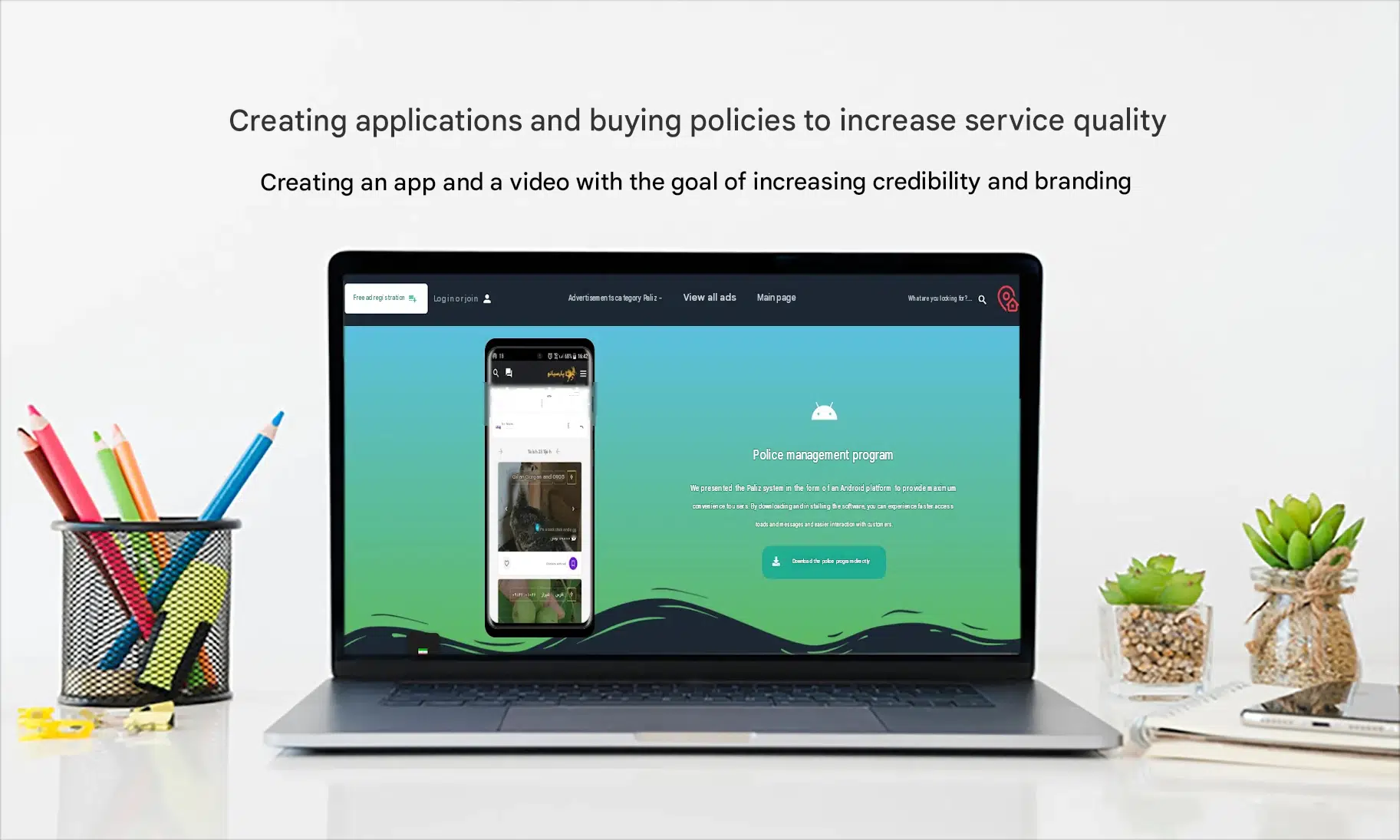
Paliz is a multi-vendor marketplace platform built on WooCommerce — with dedicated seller dashboards, an automated commission engine, and a frictionless buyer experience. Architected for dozens of vendors and thousands of buyers.
Introduction — The Platform Architecture Challenge
A standard online store has one seller and many buyers. A marketplace inverts that model:
Dozens of sellers — each needing independent control over their own inventory, orders, and revenue
Thousands of buyers — each expecting a single, unified, trustworthy shopping experience
One platform operator — responsible for governance, commission collection, and dispute resolution
Paliz was architected to solve exactly this multi-sided complexity:
Build a complete e-commerce ecosystem where buyers and sellers interact seamlessly — without sacrificing control, security, or scalability.
This was not “installing a WooCommerce plugin.” It was engineering a multi-role business platform with custom logic at every level.
Platform Architecture — How Paliz Was Engineered
The marketplace was built across five core architectural layers:
│ 1. MULTI-ROLE USER ARCHITECTURE (Sellers + Buyers + Admin)│
├─────────────────────────────────────────────────────┤
│ 2. SELLER DASHBOARD LAYER (Independent Vendor Control) │
├─────────────────────────────────────────────────────┤
│ 3. COMMISSION & REVENUE ENGINE (Automated Financial Logic)│
├─────────────────────────────────────────────────────┤
│ 4. BUYER EXPERIENCE LAYER (Unified Multi-Vendor Shopping)│
└─────────────────────────────────────────────────────┘
│ 5. SCALABILITY & INTEGRATION LAYER (WooCommerce + APIs)│
└─────────────────────────────────────────────────────┘
1. Multi-Role User Architecture
The foundation of any marketplace is clean role separation. Paliz was architected with three distinct user contexts:
| Role | Capabilities |
|---|---|
| Seller / Vendor | Product management, order handling, revenue tracking |
| Buyer / Customer | Browse, compare, purchase from multiple vendors |
| Platform Admin | Governance, commission oversight, dispute resolution |
Engineering impact: Each role operates in an isolated, permissioned environment — reducing conflict and improving platform trust.
2. Seller Dashboard Layer — Independent Vendor Control
Unlike a simple vendor plugin, Paliz provides each seller with a fully dedicated dashboard:
📊 Product Management — add, edit, and organize inventory independently
📦 Order Management — view, process, and fulfill their own orders
💰 Revenue Tracking — real-time visibility into earnings and payouts
📈 Performance Insights — sales metrics and product performance
⚙️ Profile & Store Settings — branding and store configuration
Engineering impact: Dozens of vendors can operate independently — without admin bottleneck.
3. Commission & Revenue Engine — Automated Financial Logic
The most business-critical layer of any marketplace is how money flows. Paliz implements:
Automated commission calculation — per-sale, per-vendor logic
Dynamic commission rules — configurable per category or vendor tier
Platform vs. seller revenue split — computed and tracked automatically
Payout tracking — full audit trail of seller earnings
Financial transparency — both admin and vendors see clear numbers
Engineering impact: Revenue logic is deterministic, auditable, and automated — removing manual accounting errors.
4. Buyer Experience Layer — Unified Multi-Vendor Shopping
From the buyer’s perspective, the marketplace must feel like one store — even though it serves many sellers:
🔍 Unified search across all vendors’ products
⚖️ Product comparison between sellers
🛒 Single cart with multi-vendor item support
✅ Streamlined checkout — clear vendor attribution per item
📦 Order tracking — per-vendor fulfillment visibility
⭐ Trust signals — ratings, reviews, and vendor reputation
Engineering impact: Buyers experience one platform — not a fragmented collection of stores.
5. Scalability & Integration Layer
Paliz was architected on a scalable foundation:
| Design Concern | Engineering Approach |
|---|---|
| Platform Base | WooCommerce (proven, extensible e-commerce core) |
| Vendor Logic | Custom multi-vendor architecture layer |
| API Integration | Extensible interfaces for payments, shipping, analytics |
| Scalability | Structured to support growing vendor and order volume |
| Extensibility | Modular design for future features and verticals |
| Security | Role-scoped access and transaction integrity |
Engineering impact: The platform grows with the business — not against it.
Tech Stack
- Platform: WordPress + WooCommerce
- Marketplace: Custom multi-vendor architecture
- Dashboards: Role-specific seller & admin panels
- Commission: Custom automated financial logic
- Roles: Multi-role user management (seller / buyer / admin)
- Integration: API layer for payments, shipping, analytics
- Scalability: Modular, extensible platform design
Platform Outcomes & Metrics
| Metric | Result |
|---|---|
| User roles supported | 3 distinct roles — seller, buyer, admin |
| Vendor support model | Dozens of independent sellers per platform |
| Buyer experience | Unified multi-vendor shopping with single cart |
| Commission engine | Fully automated — per-sale, per-vendor logic |
| Seller autonomy | Dedicated dashboards — no admin bottleneck |
| Scalability | Architected for growing vendor + order volume |
| Trust layer | Ratings, reviews, vendor reputation systems |
| Platform extensibility | Modular — ready for future verticals |
| Financial transparency | Auditable revenue split for admin and vendors |
Why This Matters for Your Business
Building Paliz demonstrates a capability that goes far beyond standard web development:
The ability to understand and implement complex multi-sided business logic in software.
When you work with me on e-commerce or platform projects, you gain:
Multi-role architecture expertise — designing for distinct user groups in one system
Business logic engineering — commission models, revenue splits, financial flows
Scalable platform thinking — systems designed to grow with vendor count
Buyer-experience discipline — unifying complex multi-vendor data into one UX
Full-stack e-commerce command — WooCommerce as a base, custom architecture as the differentiator
This is the same architectural thinking required for any serious multi-tenant or marketplace platform.
Deliverables (For Clients & Employers)
✅ Full multi-vendor marketplace platform architecture
✅ Dedicated seller dashboards (products, orders, revenue)
✅ Automated commission and revenue-split engine
✅ Unified buyer experience (search, cart, checkout, tracking)
✅ Multi-role user management system
✅ API integration layer (payments, shipping, analytics)
✅ Scalable, extensible platform foundation
✅ Full documentation and architecture diagrams
Engagement Models
| Model | Description |
|---|---|
| Platform Build | Full multi-vendor marketplace development |
| WooCommerce Marketplace Setup | Turn an existing store into a multi-vendor platform |
| Consulting | Marketplace architecture review + monetization strategy |
| Retainer | Ongoing feature expansion and optimization |
Call to Action
Building a marketplace where many sellers and many buyers must coexist seamlessly?
Let’s architect it with the right logic from day one.