


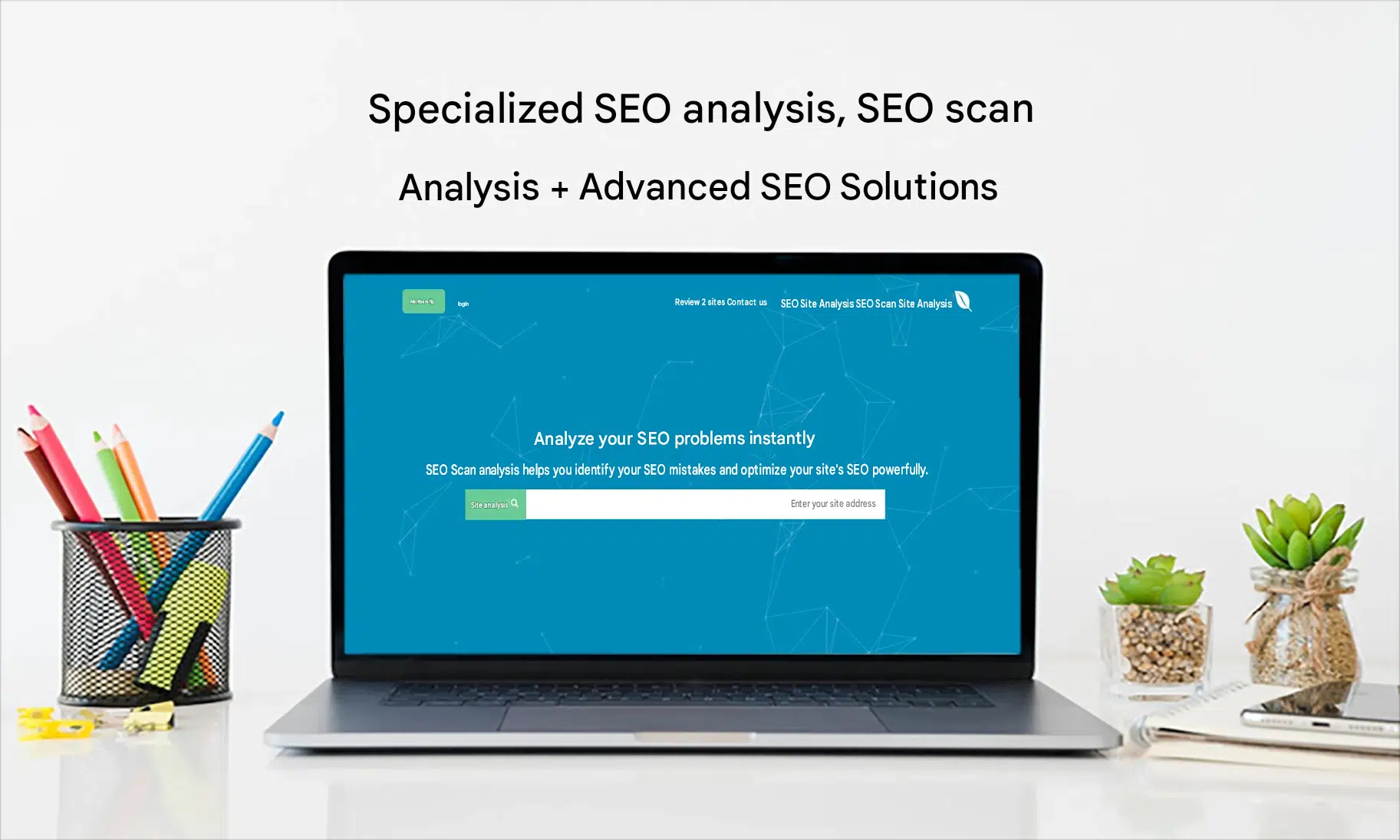
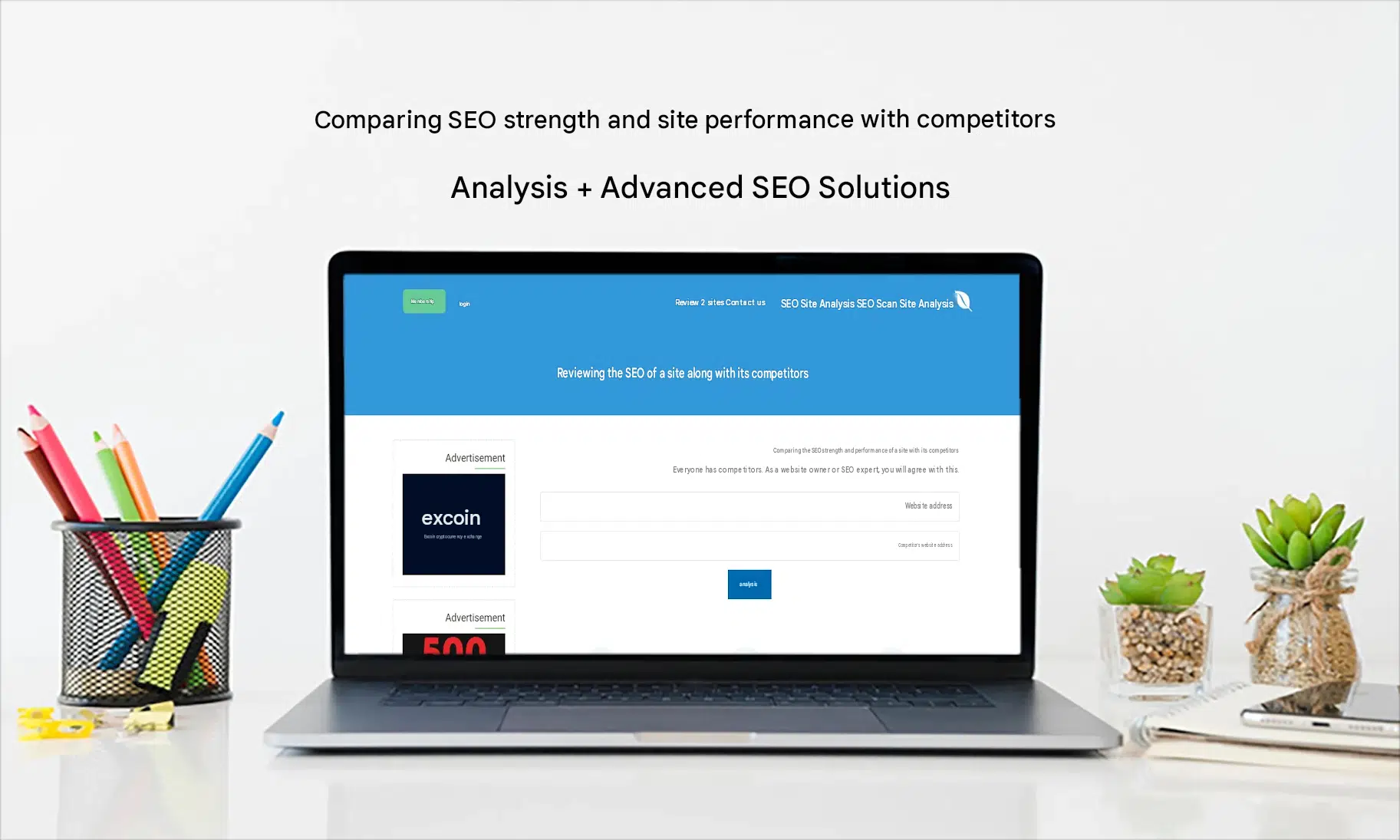
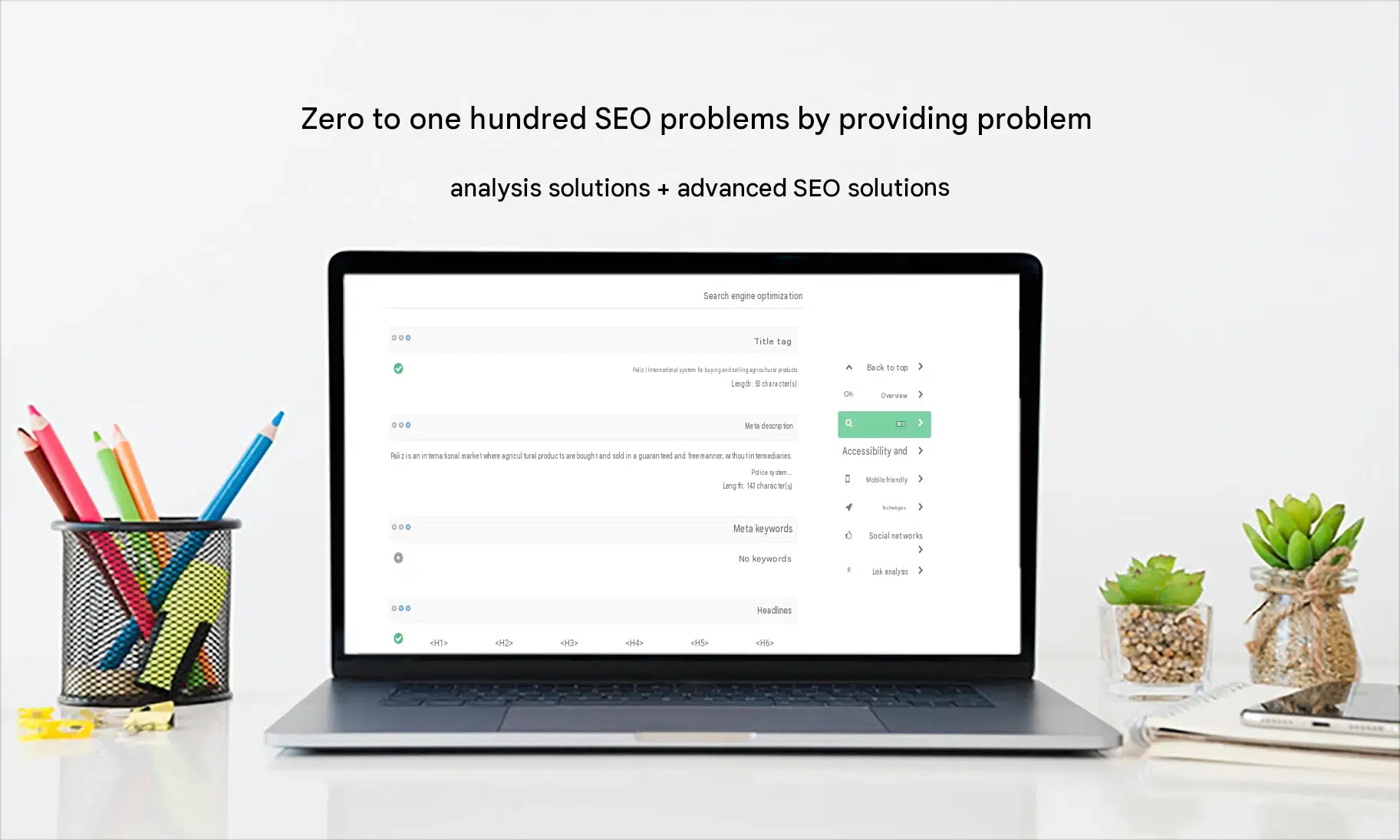

The highest level of expertise is not using tools — it is building them.
SEO Scan is a SaaS platform for automated technical SEO analysis. Custom crawling engine, analytical algorithms, scalable MySQL architecture, and visual reporting — designed with a product-first engineering mindset.
Introduction — The Product & Engineering Challenge
The Iranian SEO market was saturated with tools that were either:
Too shallow — surface-level checklists with no technical depth
Too expensive — enterprise tools priced out of reach for local agencies
Too foreign — built for English-language sites, ignoring local technical realities
SEO Scan was born from that gap:
Design and ship a SaaS product that delivers enterprise-grade technical SEO analysis — fast, accurate, and accessible — with a UI that non-technical users can actually act on.
This was not a “script” or a “tool.” It was a full product build: crawling infrastructure, analytical engine, database architecture, API layer, and user-facing reporting — all under one roof.
Product Architecture — How SEO Scan Was Engineered
The platform was architected across five core engineering layers:
│ 1. CRAWLING ENGINE (Intelligent Multi-Page Web Scanner)│
├─────────────────────────────────────────────────────┤
│ 2. ANALYTICAL ENGINE (SEO Factor Evaluation Logic) │
├─────────────────────────────────────────────────────┤
│ 3. SCALABLE DATABASE LAYER (High-Volume Data Storage)│
├─────────────────────────────────────────────────────┤
│ 4. API & SaaS BACKEND (Multi-Tenant, Job-Driven)│
└─────────────────────────────────────────────────────┘
│ 5. VISUAL REPORTING UI (Complex Data → Clear Insight)│
└─────────────────────────────────────────────────────┘
1. Crawling Engine — Intelligent Multi-Page Scanner
At the core of SEO Scan is a custom-built crawler designed for accuracy and scale:
Recursive page discovery — follows internal links across entire domains
Configurable crawl depth — from single-page audits to full-site scans
Concurrent request handling — optimized for throughput without overloading targets
robots.txt & sitemap awareness — respects crawling standards
Structured data extraction — titles, meta tags, headings, links, images, schema
Error & redirect mapping — detects broken links, chains, and loop conditions
Engineering impact: Reliable crawl results across thousands of pages per scan — without manual intervention.
2. Analytical Engine — SEO Factor Evaluation Logic
Raw crawl data is meaningless without interpretation. The analytical engine evaluates dozens of technical SEO factors:
| Analysis Domain | What Is Evaluated |
|---|---|
| Page Speed & Performance | Load metrics, resource weight, render-blocking elements |
| Tag Structure | H1–H6 hierarchy, meta titles, descriptions, canonical tags |
| Indexability | Robots meta, noindex/nofollow, canonical consistency |
| Content Signals | Duplicate content, thin content, keyword density patterns |
| Link Architecture | Internal linking depth, orphan pages, broken links |
| Mobile & UX Signals | Viewport config, tap target issues, responsive indicators |
| Structured Data | Schema markup presence and validity |
Engineering impact: Each scan produces a scored, prioritized, and actionable technical SEO report — not a raw data dump.
3. Scalable Database Layer — High-Volume Data Storage
Technical SEO scans generate enormous datasets. The database architecture was designed for that reality:
| Design Concern | Engineering Approach |
|---|---|
| Volume | Handles millions of crawled records without degradation |
| Query Speed | Optimized indexing and query planning for fast report generation |
| Data Integrity | Normalized schema with referential consistency |
| Multi-Tenancy | Isolated project data per user account |
| Historical Tracking | Stores scan history for trend comparison |
Engineering impact: Fast report retrieval even after large-scale crawls — with full historical comparison.
4. API & SaaS Backend — Multi-Tenant, Job-Driven
The SaaS backend was built to handle real product demands:
Asynchronous job processing — scans run in the background, users aren’t blocked
Queue management — fair scheduling across concurrent user scans
Multi-tenant isolation — each account’s data is scoped and secure
RESTful API layer — clean endpoints for scans, reports, and account data
Authentication & authorization — role-based access for users and admin panels
Engineering impact: A production-grade SaaS foundation — not a one-off script.
5. Visual Reporting UI — Complex Data → Clear Insight
The most technically advanced analysis is worthless if users can’t understand it. The UI layer was designed to translate complexity into clarity:
Scored overview dashboards — instant health snapshot per site
Issue categorization — critical / warning / informational
Prioritized action lists — what to fix first, and why
Visual data representations — charts, trees, and progress indicators
Drill-down detail views — for users who want raw technical data
Engineering impact: Non-technical users can act on the report; technical users can dive deep — from the same interface.
Tech Stack
- Backend: Laravel (PHP)
- Database: MySQL (scaled for high-volume crawl data)
- Crawling: Custom-built web crawler (concurrent, recursive)
- Processing: Asynchronous job queues
- API: RESTful endpoints (scans, reports, accounts)
- Frontend: Data-driven UI with visual reporting layer
- Architecture: Multi-tenant SaaS, job-driven, scalable
Product & Engineering Outcomes
| Metric | Result |
|---|---|
| Analysis factors evaluated per scan | Dozens of technical SEO signals |
| Crawl capability | Thousands of pages per scan |
| Scan processing model | Asynchronous, queue-driven |
| Database scalability | Designed for millions of crawl records |
| Multi-tenancy | Isolated per-account data architecture |
| Reporting model | Scored + prioritized + visual |
| UI accessibility | Technical depth for experts, clarity for non-technical users |
| Product maturity | Full SaaS lifecycle — from crawl to report to history |
Why This Matters for Your Business
Building SEO Scan proves something that no certification can:
I understand technical SEO at the level of the engine that analyzes it.
When you trust me with your SEO, you are not hiring a checklist-follower. You are hiring the architect of a technical SEO analysis engine — someone who understands:
How crawlers actually see your site
Which technical factors genuinely impact ranking
How to prioritize fixes for maximum impact
How to translate raw data into strategic decisions
This means your SEO strategy is built on engineering truth, not guesswork.
Deliverables (For Clients & Employers)
✅ Full SaaS platform architecture (crawler → analysis → report)
✅ Custom crawling engine (recursive, concurrent, scalable)
✅ Analytical logic for technical SEO factor evaluation
✅ High-volume database design (MySQL)
✅ Multi-tenant SaaS backend with API layer
✅ Visual reporting UI for technical & non-technical users
✅ Asynchronous job processing infrastructure
✅ Full product documentation and architecture diagrams
Engagement Models
| Model | Description |
|---|---|
| Product Build | Full SaaS platform design & development |
| Technical SEO Audit | Engine-level analysis of your site’s technical health |
| Consulting | SaaS architecture review + product roadmap |
| Retainer | Ongoing feature expansion & optimization |
Call to Action
Need SEO insight that comes from someone who built the analysis engine?
Let’s put that depth to work on your platform.